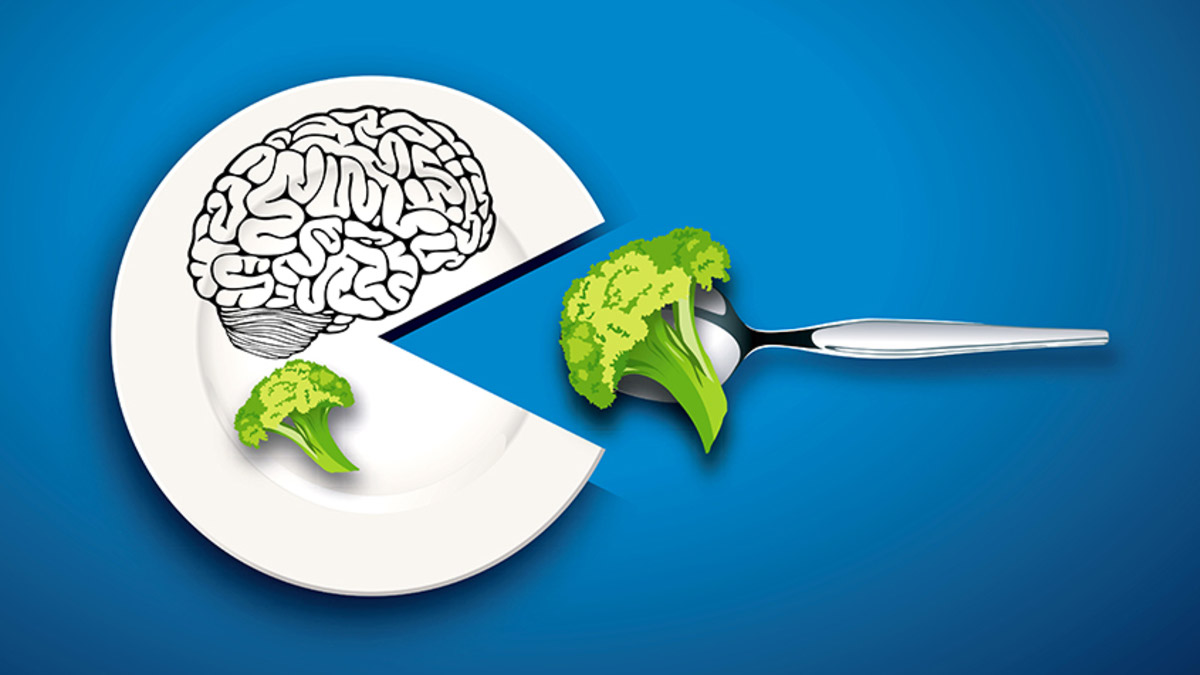
Good feeding is vital to keep the brain safe. Below are the seven most important things for healthy brain activity.
1. Carbohydrates with a low glycemic index
The brain needs a number of energy to function. The brain must be able to concentrate and keep vigilant on a constant stream of resources. Unlike most fruit and vegetables, several whole grains require a gradual blood glucose release, which lets you remain alert through the day.
2. Oily fish and other sources of omega-3
The membranes of brain cells, like those in the rest of the body, consist of fats, especially omega-3 fatty acids. Therefore, a loss of omega-3 is not negligible. This can raise the likelihood of certain brain conditions such as dyslexia, autism, anxiety, dementia or bipolar disorder. Docosahexaenoic acid ( DHA) is the main omega-3 in the membranes of the brain. It can be synthesized from nuts, flax seeds, and rapeseed oil, but in children and the elderly it is more complicated and when we consume more omega-6 (sunflower oils, maize, grape seed). DHA is found in fish fatty: sardines, mackerel, herring, cod, trout, etc., in melon and crustacean, in wild hen eggs.
3. Dark green leafy vegetables
Spinach, chard, broccoli and salads contain several B group vitamins, including vitamin B9. Vitamin B9 (folate) enables the development of S-adenosyl-methionine (SAMe) in the brain that has beneficial effects on neuronal fluidity membrane and mood-related activation of neurotransmitters. An appropriate amount of vitamin B9 protects against depression with the use of dark green leafy plants, legumes, and animal (organic) liver.
4. The berries
Several experiments have found that blueberry intake can boost or postpone short-term memory issues. It also has reduced neurological impairment rates than Alzheimer’s disease.
Blackberries, honeybeans, goji apples, cannibals, currants, and other blueberries are typically high in antioxidants. Being a big energy source, the brain is indeed a significant creator of free radicals. These compounds trigger cell damage, triggering a reduction in cognitive and memory abilities, as they surpass the antioxidant defences of the brain. Bear in mind, most colorful plants are often rich in antioxidants (especially carotenoids) and placed on the menu as many times as possible (tomatoes , peppers, carrots, melons, etc.).
5. Nuts
Avocado, lettuce, peanuts, asparagus and olive, and rapeseed oils will inhibit vitamin E in walnuts, almonds, and hazelnuts, especially in elderly people. The effect will be a cognitive loss.
6. The egg
The egg is abundant in choline, an essential B-vitamin for generating acetylcholine, a memory-associated neurotransmitter. The loss in acetylcholine is, therefore, linked with Alzheimer’s disease and dementia. Choline is important to the proper growth of the fetal brain during pregnancy.
7. Turmeric
India, a country where turmeric is widely consumed, has a particularly low rate of Alzheimer’s patients. This highly antioxidant spice protects the brain from oxidative stress but also appears to have effects on memory impairment (at least experimentally). You can incorporate turmeric into many dishes (preferably with oil and pepper for it to be better assimilated). Unlike chili, it does not promote intestinal permeability.
 WORDS OF WONDER